


Five Serious Sleep Deprivation Side Effects
Sleep deprivation has profound effects on cognitive function, significantly impairing various mental processes. Research indicates that even a single night of inadequate sleep can lead to diminished attention, reduced alertness, and impaired decision-making abilities. For instance, studies have shown that individuals who are sleep-deprived exhibit slower reaction times and decreased accuracy in tasks requiring sustained attention.
This decline in cognitive performance can be attributed to the brain's inability to effectively process information and consolidate memories during periods of insufficient rest. The prefrontal cortex, which is responsible for higher-order functions such as reasoning and problem-solving, is particularly vulnerable to the effects of sleep loss. Moreover, chronic sleep deprivation can lead to long-term cognitive deficits.
A study published in the journal "Sleep" found that individuals who consistently get less than six hours of sleep per night are at a higher risk of developing cognitive impairments akin to those seen in aging populations. This includes difficulties with memory retention and recall, as well as challenges in learning new information. The hippocampus, a critical region for memory formation, is adversely affected by sleep deprivation, leading to disruptions in the encoding and retrieval of memories.
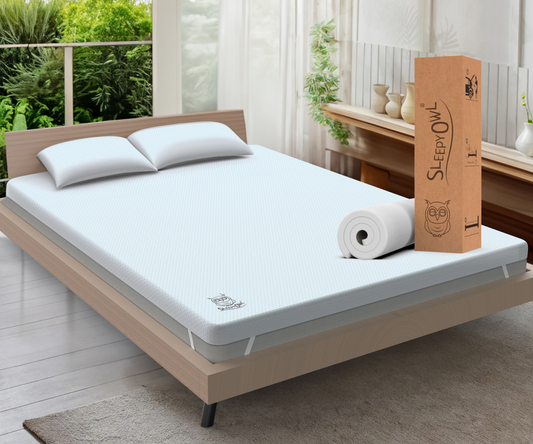
As a result, individuals may find it increasingly difficult to perform academically or professionally, highlighting the essential role that adequate sleep plays in maintaining cognitive health. Check out this amazing Memory Foam Mattress Topper for a better night's sleep.
The Relationship Between Sleep Deprivation and Mood Disorders
The relationship between sleep deprivation and mood disorders is well-documented, with numerous studies illustrating how lack of sleep can exacerbate or even trigger conditions such as depression and anxiety. Sleep deprivation affects the regulation of neurotransmitters and hormones that are crucial for mood stabilization. For example, serotonin, often referred to as the "feel-good" neurotransmitter, is significantly influenced by sleep patterns.
When an individual does not get enough sleep, serotonin levels can drop, leading to increased feelings of sadness or irritability. This biochemical imbalance can create a vicious cycle where poor sleep contributes to mood disorders, which in turn further disrupts sleep. Additionally, the emotional resilience of individuals suffering from sleep deprivation tends to diminish.
Research has shown that sleep-deprived individuals are more likely to experience heightened emotional responses to stressors. A study conducted by the University of California found that participants who were deprived of sleep exhibited increased activity in the amygdala, the brain region associated with emotional processing, when exposed to negative stimuli. This heightened reactivity can lead to increased anxiety and depressive symptoms, making it challenging for individuals to cope with daily stressors effectively.
The interplay between sleep and mood is complex, underscoring the importance of prioritizing sleep for mental health.
The Effect of Sleep Deprivation on Physical Health
The ramifications of sleep deprivation extend beyond cognitive and emotional well-being; they also pose significant risks to physical health. Chronic lack of sleep has been linked to a myriad of health issues, including obesity, diabetes, cardiovascular disease, and hypertension. One of the mechanisms behind this connection is the disruption of metabolic processes that regulate appetite and energy expenditure.
For instance, sleep deprivation can lead to increased levels of ghrelin, a hormone that stimulates appetite, while simultaneously decreasing levels of leptin, which signals satiety. This hormonal imbalance can result in overeating and weight gain over time. Furthermore, the cardiovascular system is adversely affected by insufficient sleep.
Studies have shown that individuals who consistently get less than seven hours of sleep per night have a higher risk of developing hypertension and heart disease. The American Heart Association has highlighted that sleep deprivation can lead to increased inflammation and stress on the cardiovascular system, contributing to the development of atherosclerosis and other heart-related conditions. Additionally, sleep plays a crucial role in regulating blood pressure; during deep sleep stages, blood pressure typically drops, allowing the heart and blood vessels to rest.
When this restorative process is disrupted due to lack of sleep, it can lead to long-term cardiovascular complications.
The Connection Between Sleep Deprivation and Impaired Immune Function
Sleep deprivation has a detrimental impact on immune function, making individuals more susceptible to infections and illnesses. The immune system relies on adequate sleep to function optimally; during sleep, the body produces cytokines—proteins that play a vital role in immune response. These cytokines are essential for combating infections and inflammation.
When an individual is sleep-deprived, the production of these protective proteins is significantly reduced, leading to a weakened immune response. Research has demonstrated that individuals who do not get enough sleep are more likely to contract illnesses such as the common cold. A study published in "Archives of Internal Medicine" found that participants who slept less than seven hours per night were three times more likely to develop a cold compared to those who slept eight hours or more.
This correlation underscores the importance of prioritizing sleep for maintaining a robust immune system. Furthermore, chronic sleep deprivation can lead to long-term changes in immune function, increasing the risk of autoimmune diseases and other chronic health conditions.
The Influence of Sleep Deprivation on Performance and Productivity
The effects of sleep deprivation on performance and productivity are particularly evident in high-stakes environments such as workplaces and academic settings. Lack of adequate rest can lead to decreased efficiency and increased errors in tasks requiring concentration and precision. For example, studies have shown that employees who experience chronic sleep deprivation are more likely to make mistakes that could have serious consequences, particularly in fields such as healthcare and aviation where attention to detail is paramount.
Moreover, the economic implications of sleep deprivation are significant. According to a report from the Centers for Disease Control and Prevention (CDC), insufficient sleep costs U.S. employers approximately $411 billion annually due to lost productivity.
This staggering figure highlights how lack of sleep not only affects individual performance but also has broader implications for organizational efficiency and economic health. Companies that prioritize employee well-being by promoting healthy sleep habits may see improvements in overall productivity and job satisfaction.
The Role of Memory Foam Mattress Topper in Improving Sleep Quality
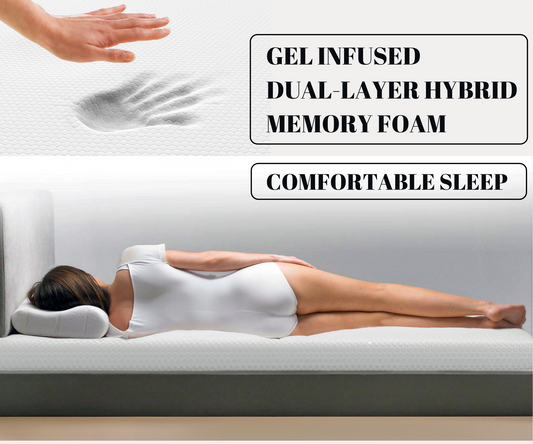
A memory foam mattress topper can play a crucial role in enhancing sleep quality by providing optimal support and comfort during rest. These toppers are designed to conform to the body's contours, distributing weight evenly and alleviating pressure points that can lead to discomfort during the night. By reducing tossing and turning, a memory foam topper can help individuals achieve deeper stages of restorative sleep.
Additionally, memory foam is known for its ability to absorb motion transfer, making it an excellent choice for couples or individuals who share a bed. This feature allows one person’s movements—such as getting up or shifting positions—to go unnoticed by their partner, minimizing disturbances throughout the night. Furthermore, many memory foam toppers are designed with temperature-regulating properties that help maintain a comfortable sleeping environment by dissipating heat.
This is particularly beneficial for those who tend to overheat during the night, as it promotes uninterrupted sleep cycles.
Tips for Combating Sleep Deprivation
Combating sleep deprivation requires a multifaceted approach that encompasses lifestyle changes and healthy habits. One effective strategy is establishing a consistent sleep schedule by going to bed and waking up at the same time every day, even on weekends. This practice helps regulate the body's internal clock, making it easier to fall asleep and wake up naturally over time.
Creating a conducive sleeping environment is also essential for improving sleep quality. This includes keeping the bedroom dark, quiet, and cool while investing in comfortable bedding and pillows that support restful sleep. Limiting exposure to screens before bedtime is another critical factor; blue light emitted from devices can interfere with melatonin production, making it harder to fall asleep.
Engaging in relaxing activities such as reading or practicing mindfulness meditation before bed can help signal to the body that it’s time to wind down.
Seeking Professional Help for Chronic Sleep Deprivation
For individuals experiencing chronic sleep deprivation despite implementing lifestyle changes, seeking professional help may be necessary. Healthcare providers can conduct thorough assessments to identify underlying conditions contributing to poor sleep quality, such as insomnia or sleep apnea. These conditions often require specialized treatment plans tailored to individual needs.
Cognitive Behavioral Therapy for Insomnia (CBT-I) is one effective approach that has gained recognition for its efficacy in treating chronic insomnia without medication. CBT-I focuses on changing unhelpful thoughts and behaviors related to sleep while promoting healthier sleeping patterns through structured techniques. In some cases, healthcare providers may also recommend medical interventions or medications if deemed appropriate based on an individual's specific circumstances.
In conclusion, addressing chronic sleep deprivation is crucial for overall health and well-being. By understanding its impacts on cognitive function, mood disorders, physical health, immune function, performance, and productivity—and by utilizing tools like memory foam mattress toppers—individuals can take proactive steps toward improving their sleep quality and enhancing their quality of life.
FAQs
What are the serious side effects of sleep deprivation?
Some serious side effects of sleep deprivation include impaired cognitive function, weakened immune system, increased risk of chronic diseases, mood disturbances, and decreased motor skills.
How does sleep deprivation affect cognitive function?
Sleep deprivation can impair cognitive function, leading to difficulties with concentration, memory, and decision-making. It can also affect the ability to learn and retain new information.
What impact does sleep deprivation have on the immune system?
Sleep deprivation can weaken the immune system, making individuals more susceptible to infections and illnesses. It can also reduce the effectiveness of vaccines.
What chronic diseases are linked to sleep deprivation?
Chronic diseases such as heart disease, diabetes, and obesity have been linked to sleep deprivation. Lack of sleep can also exacerbate existing health conditions.
How does sleep deprivation affect mood and mental health?
Sleep deprivation can lead to mood disturbances such as irritability, anxiety, and depression. It can also contribute to increased stress levels and decreased overall mental well-being.
How does sleep deprivation impact motor skills and safety?
Sleep deprivation can impair motor skills, coordination, and reaction time, increasing the risk of accidents and injuries. It can also lead to drowsy driving, which is a major safety concern.