


How a Memory Foam Topper Can Ease Breathing Issues at Night
Breathing issues during the night can manifest in various forms, ranging from mild snoring to more severe conditions such as sleep apnoea. These disturbances can significantly impact an individual's overall health and well-being. Sleep apnoea, for instance, is characterised by repeated interruptions in breathing during sleep, often leading to fragmented sleep patterns and excessive daytime fatigue.
The condition can be exacerbated by factors such as obesity, age, and anatomical variations in the upper airway. Understanding the underlying causes of these breathing issues is crucial for effective management and treatment. In addition to sleep apnoea, other common breathing problems include asthma and chronic obstructive pulmonary disease (COPD), which can be aggravated by allergens or irritants present in the sleeping environment.
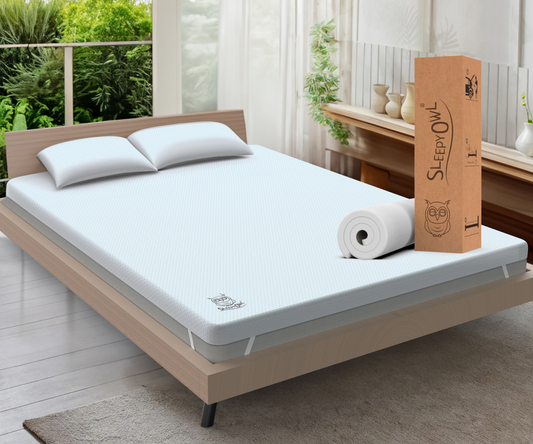
Individuals suffering from these conditions may experience wheezing, coughing, or shortness of breath during the night, leading to disrupted sleep cycles. Recognising the symptoms and understanding the triggers of these breathing issues is essential for developing strategies to improve nighttime respiratory function and enhance overall sleep quality. I recently purchased a new Memory Foam Mattress Topper for my bed.
The Importance of Quality Sleep for Breathing
Quality sleep is vital for maintaining optimal respiratory health. During deep sleep stages, the body undergoes various restorative processes that are essential for physical and mental well-being. Poor sleep quality can lead to increased inflammation in the airways, making it more difficult to breathe comfortably.
Furthermore, inadequate sleep can exacerbate existing respiratory conditions, creating a vicious cycle that affects both sleep and breathing. Research has shown that individuals with sleep apnoea often experience a decline in their overall health due to the lack of restorative sleep. This can lead to complications such as cardiovascular disease, hypertension, and impaired cognitive function.
Therefore, ensuring quality sleep is not merely a matter of comfort; it is a critical component of managing breathing issues effectively. By prioritising good sleep hygiene and creating an environment conducive to restful slumber, individuals can significantly improve their respiratory health.
How Memory Foam Toppers Can Help
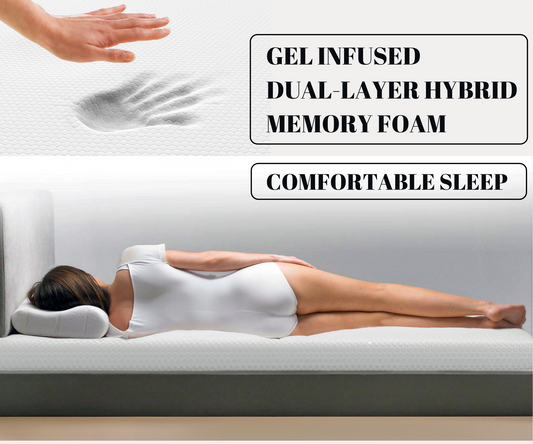
Memory foam mattress toppers have gained popularity as a solution for enhancing sleep quality, particularly for those experiencing breathing issues at night. These toppers are designed to conform to the body's shape, providing personalised support that can alleviate pressure points and promote proper spinal alignment. This is particularly beneficial for individuals who may struggle with traditional mattresses that do not offer adequate support.
The unique properties of memory foam can also help reduce the likelihood of airway obstruction during sleep. By providing a stable yet adaptive surface, memory foam toppers can encourage side sleeping positions, which are often recommended for individuals with breathing difficulties. This position helps keep the airways open and reduces the risk of snoring or apnoea episodes.
As a result, incorporating a memory foam topper into one's bedding can be a practical step towards improving both comfort and respiratory function during the night.
The Science Behind Memory Foam's Support
The science behind memory foam lies in its viscoelastic properties, which allow it to respond to body heat and weight. When pressure is applied, the foam softens and moulds to the contours of the body, providing customised support that helps distribute weight evenly. This characteristic not only enhances comfort but also plays a crucial role in maintaining proper spinal alignment, which is essential for optimal breathing.
Moreover, memory foam's ability to absorb motion makes it an excellent choice for couples or individuals who share a bed. The reduction of motion transfer means that movements made by one person are less likely to disturb the other, allowing for uninterrupted sleep. This is particularly important for those who may already be struggling with breathing issues, as any disturbance can exacerbate their condition.
The combination of support and motion isolation makes memory foam an ideal material for promoting restful sleep.
Choosing the Right Memory Foam Topper for Breathing Issues
When selecting a memory foam topper specifically for addressing breathing issues, several factors should be considered to ensure optimal results. Firstly, the thickness of the topper plays a significant role in its effectiveness. A topper that is too thin may not provide adequate support, while one that is excessively thick could lead to sinking too deeply into the mattress, potentially obstructing airflow.
A thickness of 3 to 4 inches is often recommended for those seeking a balance between comfort and support. Additionally, the density of the memory foam is crucial. Higher-density foams tend to offer better support and durability but may retain more heat, which could be uncomfortable for some sleepers.
Conversely, lower-density foams may provide less support but allow for better airflow. It is essential to find a topper that strikes a balance between these factors while also considering personal preferences regarding firmness and temperature regulation.
Positioning and Support for Optimal Breathing
The way one sleeps can significantly influence breathing patterns throughout the night. For individuals with breathing issues, certain sleeping positions are more conducive to maintaining open airways. Side sleeping is often recommended as it helps prevent the tongue and soft tissues in the throat from collapsing into the airway, thereby reducing the risk of snoring and apnoea episodes.
Memory foam toppers can facilitate this positioning by providing adequate support for the hips and shoulders, allowing for a comfortable side-sleeping posture. Additionally, elevating the head slightly with an adjustable pillow or by using a wedge pillow can further enhance airflow during sleep. This elevation helps reduce pressure on the airways and encourages deeper breathing, making it an effective strategy for those struggling with nighttime respiratory issues.
Maintaining a Clean and Allergy-Free Sleeping Environment
A clean sleeping environment is paramount for individuals with breathing issues, as allergens such as dust mites, pet dander, and mould can exacerbate respiratory problems. Regular cleaning routines should include washing bedding in hot water weekly to eliminate dust mites and other allergens that may accumulate over time. Additionally, using hypoallergenic mattress protectors and pillow covers can provide an extra layer of defence against allergens.
Air quality also plays a significant role in respiratory health during sleep. Using an air purifier in the bedroom can help filter out airborne particles that may trigger allergies or asthma symptoms. Furthermore, maintaining optimal humidity levels—ideally between 30% and 50%—can prevent mould growth and reduce dust mite populations.
By creating a clean and allergen-free sleeping environment, individuals can significantly improve their nighttime breathing and overall sleep quality.
Additional Tips for Improving Breathing at Night
In addition to utilising memory foam toppers and maintaining a clean sleeping environment, there are several other strategies that can help improve breathing at night. Practising good sleep hygiene is essential; this includes establishing a consistent bedtime routine, limiting screen time before bed, and creating a relaxing atmosphere conducive to sleep. Incorporating relaxation techniques such as deep breathing exercises or meditation before bedtime can also be beneficial.
These practices help calm the mind and body, reducing stress levels that may contribute to shallow or irregular breathing during sleep. Additionally, staying hydrated throughout the day can help keep airways moist and reduce irritation caused by dry air.
Seeking Professional Advice for Persistent Breathing Issues
For individuals experiencing persistent or severe breathing issues at night, seeking professional medical advice is crucial. A healthcare provider can conduct a thorough evaluation to determine the underlying causes of these problems and recommend appropriate treatments or interventions. This may include diagnostic tests such as polysomnography (a sleep study) to assess sleep patterns and identify any potential disorders.
In some cases, lifestyle modifications may be recommended alongside medical treatments. For instance, weight loss can significantly improve symptoms of sleep apnoea in overweight individuals. Additionally, healthcare professionals may suggest specific therapies or devices such as continuous positive airway pressure (CPAP) machines for those diagnosed with obstructive sleep apnoea.
Combining Memory Foam with Other Breathing Aids
While memory foam toppers can provide substantial benefits for improving sleep quality and breathing at night, they can be even more effective when combined with other aids designed to enhance respiratory function. For instance, using nasal strips can help open nasal passages and improve airflow during sleep, particularly for those who experience congestion or nasal obstruction. Additionally, incorporating essential oils known for their respiratory benefits—such as eucalyptus or peppermint—into bedtime routines can promote clearer airways and enhance relaxation.
Diffusing these oils in the bedroom or using them in a warm bath before bed can create a soothing environment that supports better breathing throughout the night.
Improving Breathing and Quality of Sleep with a Memory Foam Topper
In summary, addressing breathing issues at night requires a multifaceted approach that encompasses understanding the underlying causes, prioritising quality sleep, and utilising supportive products like memory foam toppers. By recognising how these elements interact with one another, individuals can take proactive steps towards improving their nighttime respiratory function and overall well-being. Through careful selection of bedding materials, attention to sleeping positions, and maintaining a clean environment, it is possible to create an optimal sleeping space that fosters both restful slumber and improved breathing health.
FAQs
What is a memory foam topper?
A memory foam topper is a layer of memory foam that is placed on top of a mattress to provide additional comfort and support. It is designed to contour to the shape of the body, relieving pressure points and promoting better sleep.
How can a memory foam topper ease breathing issues at night?
A memory foam topper can ease breathing issues at night by providing better support for the body, particularly the neck and spine. This can help to keep the airways open and reduce snoring and other breathing issues.
Can a memory foam topper help with conditions such as sleep apnea or asthma?
While a memory foam topper may not be a cure for sleep apnea or asthma, it can help to improve sleep quality for individuals with these conditions. By providing better support and reducing pressure points, a memory foam topper can help to alleviate some of the symptoms associated with these conditions.
Are there any potential drawbacks to using a memory foam topper?
Some people may find that memory foam toppers retain heat, which can be uncomfortable for those who tend to sleep hot. Additionally, some individuals may find that memory foam toppers are too soft or too firm for their liking, so it's important to choose the right firmness level for your needs.
How do I choose the right memory foam topper for my needs?
When choosing a memory foam topper, consider factors such as thickness, density, and firmness. Thicker toppers provide more support, while higher density foam can offer better durability. It's also important to consider your sleeping position and any specific health concerns when selecting a memory foam topper.