


Memory Foam vs Sleep Apnea: Does It Make a Difference?
Memory foam, a viscoelastic material originally developed by NASA in the 1960s, has gained immense popularity in the realm of sleep products, particularly mattresses and pillows. Its unique properties allow it to conform to the shape of the body, providing support and comfort that traditional materials often fail to deliver. This adaptability makes memory foam an appealing choice for individuals suffering from various sleep disorders, including sleep apnea.
Sleep apnea is a condition characterised by repeated interruptions in breathing during sleep, leading to fragmented rest and a host of associated health issues. The intersection of memory foam technology and sleep apnea treatment is a burgeoning area of interest, as many seek effective solutions to enhance their sleep quality. The relationship between memory foam and sleep apnea is particularly significant given the latter's prevalence.
According to the NHS, around 1 in 5 men and 1 in 10 women in the UK are affected by sleep apnea, with many remaining undiagnosed. The symptoms can range from loud snoring to severe daytime fatigue, impacting overall health and quality of life. As awareness of sleep apnea grows, so does the exploration of innovative solutions like memory foam that may alleviate some of its symptoms.
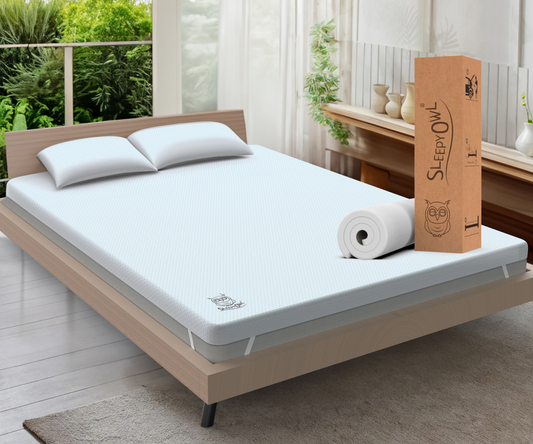
This article delves into the nuances of sleep apnea, the benefits of memory foam, and how these two elements interact to potentially improve sleep quality for those affected. I recently purchased a new Memory Foam Mattress Topper for my bed.
Understanding Sleep Apnea and its Impact on Sleep Quality
Sleep apnea is primarily categorised into two types: obstructive sleep apnea (OSA) and central sleep apnea (CSA). OSA is the more common form, occurring when the muscles at the back of the throat relax excessively during sleep, leading to blockages in the airway. This results in pauses in breathing that can last from a few seconds to minutes, often accompanied by gasping or choking sensations that disrupt sleep.
Central sleep apnea, on the other hand, is less common and occurs when the brain fails to send appropriate signals to the muscles that control breathing. Both types can lead to significant drops in oxygen levels in the blood, triggering a cascade of physiological responses that can adversely affect health. The impact of sleep apnea on sleep quality is profound.
Individuals with this condition often experience fragmented sleep cycles, leading to insufficient restorative sleep. This disruption can result in excessive daytime drowsiness, irritability, and difficulty concentrating. Furthermore, chronic sleep deprivation associated with untreated sleep apnea has been linked to serious health issues such as cardiovascular disease, diabetes, and obesity.
The cyclical nature of these conditions can create a challenging landscape for those affected, making effective management crucial for improving overall well-being.
The Benefits of Memory Foam for Sleep Apnea Sufferers
Memory foam mattresses and pillows offer several advantages that can be particularly beneficial for individuals suffering from sleep apnea. One of the primary benefits is their ability to provide customised support. Unlike traditional mattresses that may create pressure points or fail to align the spine properly, memory foam contours to the body’s shape, distributing weight evenly.
This alignment can help keep the airways open during sleep, potentially reducing the frequency and severity of apnoeic episodes. Additionally, memory foam is known for its motion isolation properties. For those who share a bed with a partner who may move frequently during the night, this feature can be invaluable.
The ability to minimise disturbances allows for a more restful night’s sleep, which is essential for anyone dealing with the fatigue associated with sleep apnea. Furthermore, many memory foam products are designed with temperature regulation features that can enhance comfort throughout the night, addressing another common issue faced by sleepers.
How Memory Foam Mattresses and Pillows Can Alleviate Sleep Apnea Symptoms
The design of memory foam mattresses and pillows plays a crucial role in alleviating symptoms associated with sleep apnea. For instance, a memory foam pillow can be engineered to provide optimal neck support while maintaining proper head alignment. This positioning is vital for individuals with obstructive sleep apnea, as it can help prevent airway obstruction caused by improper neck angles during sleep.
Some pillows even come with adjustable loft features, allowing users to customise their height for maximum comfort and support. Moreover, memory foam mattresses often feature varying firmness levels that cater to different sleeping positions—back, side, or stomach. Side sleepers may benefit from a softer mattress that allows their shoulders and hips to sink in slightly while maintaining spinal alignment.
Back sleepers might prefer a firmer surface that supports their lower back without compromising their neck position. By accommodating these preferences, memory foam products can significantly enhance comfort and reduce apnoeic events during the night.
The Science Behind Memory Foam and Its Ability to Support Sleep Apnea Patients
The science behind memory foam lies in its unique composition and structure. Made from polyurethane and other chemicals that increase viscosity and density, memory foam responds to body heat and weight by softening in specific areas while remaining firmer in others. This characteristic allows it to mould precisely to an individual’s body shape, providing tailored support that can help maintain proper spinal alignment—a critical factor for those suffering from sleep apnea.
Research has shown that maintaining an optimal sleeping position can significantly reduce the severity of obstructive sleep apnea symptoms. A study published in the journal "Chest" found that patients who slept on their sides experienced fewer apnoeic events compared to those who slept on their backs. Memory foam’s ability to encourage side sleeping through its contouring properties can thus be instrumental in managing sleep apnea symptoms effectively.
Additionally, its pressure-relieving qualities can help prevent discomfort that might otherwise lead to frequent awakenings throughout the night.
Comparing Memory Foam to Traditional Mattresses for Sleep Apnea Relief
When comparing memory foam mattresses to traditional innerspring mattresses, several key differences emerge that highlight why memory foam may be more beneficial for those with sleep apnea. Traditional mattresses often lack the ability to contour to an individual’s body shape adequately; instead, they provide a uniform surface that may not support proper spinal alignment or relieve pressure points effectively. This lack of support can exacerbate breathing difficulties during sleep.
In contrast, memory foam’s adaptive nature allows it to respond dynamically to changes in position throughout the night. This responsiveness not only enhances comfort but also promotes better airflow around the neck and throat area—critical for individuals prone to airway obstruction during sleep. Furthermore, traditional mattresses may transmit motion more readily than memory foam options, leading to disturbances that can interrupt restorative sleep cycles essential for managing sleep apnea.
Tips for Choosing the Right Memory Foam Products for Sleep Apnea
Selecting the right memory foam products requires careful consideration of several factors tailored specifically for individuals with sleep apnea. First and foremost, it is essential to assess firmness levels; a medium-firm mattress often strikes a balance between support and comfort for most sleepers. However, personal preference plays a significant role here; individuals should test various options if possible before making a decision.
Another critical aspect is pillow selection. A pillow designed specifically for those with sleep apnea should offer adequate neck support while promoting proper head alignment. Contoured pillows or those with adjustable loft features are excellent choices as they allow users to find their ideal height and firmness level.
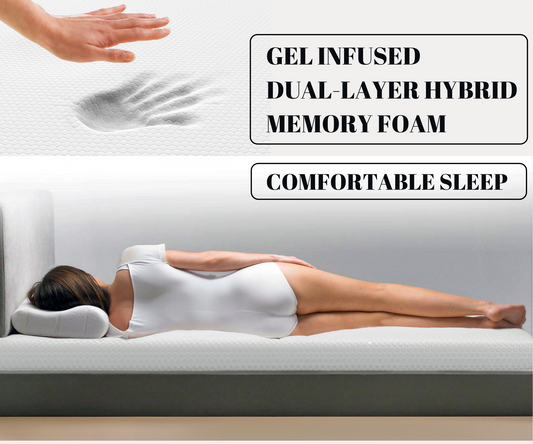
Additionally, considering temperature regulation features—such as gel-infused memory foam—can enhance comfort throughout the night by preventing overheating.
Real-life Testimonials: How Memory Foam has Helped Sleep Apnea Patients
Numerous testimonials from individuals suffering from sleep apnea highlight the transformative effects of switching to memory foam products. One user recounted their experience after transitioning from a traditional innerspring mattress to a high-quality memory foam mattress: “I noticed an immediate difference in my comfort levels; I no longer woke up with aches and pains. Most importantly, my partner said my snoring had decreased significantly.” This reduction in snoring not only improved their partner’s quality of sleep but also contributed positively to their overall health.
Another individual shared how a specially designed memory foam pillow changed their nightly routine: “I used to wake up multiple times gasping for air due to my obstructive sleep apnea. After using a contoured memory foam pillow that supported my neck properly, I found I could breathe easier at night.” These personal accounts underscore the potential benefits of memory foam products in managing symptoms associated with sleep apnea effectively.
Potential Drawbacks of Memory Foam for Sleep Apnea Sufferers
While memory foam offers numerous advantages for those suffering from sleep apnea, it is not without its drawbacks. One common concern is the initial off-gassing odour associated with new memory foam products due to volatile organic compounds (VOCs) released during manufacturing. Although this smell typically dissipates within a few days, it may be bothersome for some users initially.
Another potential issue is heat retention; while many modern memory foam mattresses incorporate cooling technologies, some individuals may still find them warmer than traditional mattresses. This heat retention can lead to discomfort during the night, particularly for those who tend to overheat while sleeping. It is essential for consumers to research specific products thoroughly and consider options designed with temperature regulation features if this is a concern.
Other Sleep Apnea Treatment Options to Consider in Conjunction with Memory Foam
In addition to utilising memory foam products, individuals suffering from sleep apnea should explore other treatment options that may complement their efforts towards better sleep quality. Continuous positive airway pressure (CPAP) therapy remains one of the most effective treatments for moderate to severe obstructive sleep apnea; it involves wearing a mask connected to a machine that delivers air pressure to keep airways open during sleep. Lifestyle changes can also play a significant role in managing sleep apnea symptoms effectively.
Weight loss has been shown to reduce the severity of obstructive sleep apnea in many cases; even modest weight loss can lead to significant improvements in symptoms. Additionally, avoiding alcohol consumption and smoking cessation are crucial steps that can enhance overall respiratory health and reduce apnoeic events.
The Role of Memory Foam in Managing Sleep Apnea
Memory foam presents a compelling option for individuals seeking relief from the challenges posed by sleep apnea. Its unique properties offer customised support that promotes better spinal alignment and airflow during sleep—two critical factors in managing this condition effectively. While it is essential for sufferers to consider various treatment options holistically, incorporating high-quality memory foam products into their nightly routine may significantly enhance their overall quality of life and well-being.
FAQs
What is memory foam?
Memory foam is a type of polyurethane foam that is known for its ability to contour to the shape of the body and then return to its original shape once the pressure is removed. It was originally developed by NASA in the 1960s for use in aircraft seats to improve safety and comfort.
What is sleep apnea?
Sleep apnea is a sleep disorder characterized by pauses in breathing or shallow breathing during sleep. These pauses can last from a few seconds to minutes and can occur multiple times in an hour. Sleep apnea can lead to poor sleep quality and other health issues if left untreated.
How does memory foam relate to sleep apnea?
Memory foam mattresses and pillows are often recommended for people with sleep apnea because they can help to alleviate pressure points and provide better support for the body during sleep. This can help to improve overall sleep quality and reduce the symptoms of sleep apnea.
Can memory foam help with sleep apnea?
While memory foam can provide better support and comfort for people with sleep apnea, it is not a cure for the condition. However, using memory foam mattresses and pillows can help to improve sleep quality and reduce the severity of sleep apnea symptoms.
Are there any drawbacks to using memory foam for sleep apnea?
Some people may find that memory foam mattresses and pillows retain heat, which can be uncomfortable for those who tend to sleep hot. Additionally, some individuals may not find memory foam to be supportive enough for their specific sleep apnea needs. It's important to try out different options and find the best fit for your individual needs.