


How Anxiety Affects Your Sleep (and How the Right Topper Helps)
Anxiety and sleep are intricately connected, forming a complex relationship that can significantly impact an individual's overall well-being. Anxiety, characterised by excessive worry, fear, and apprehension, often manifests physically and mentally, leading to a cascade of symptoms that can disrupt sleep patterns. When a person experiences anxiety, their mind is frequently racing with thoughts, making it challenging to relax and fall asleep.
This heightened state of arousal can create a vicious cycle; as sleep becomes elusive, anxiety levels may increase, further complicating the ability to achieve restful slumber. Research has shown that individuals suffering from anxiety disorders are more likely to experience sleep disturbances than those without such conditions. The National Sleep Foundation highlights that anxiety can lead to difficulties in both falling asleep and maintaining sleep throughout the night.
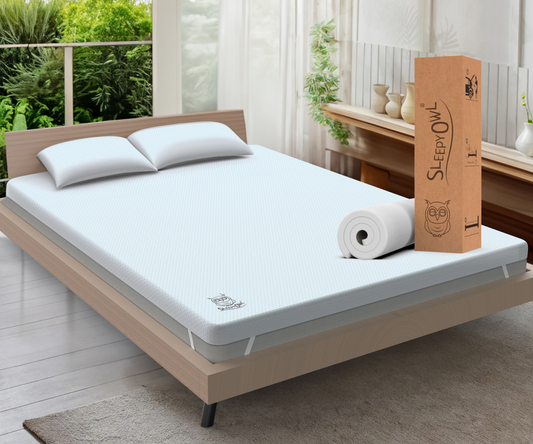
This connection is not merely anecdotal; studies indicate that nearly 50% of individuals with anxiety disorders report insomnia as a significant issue. Understanding this link is crucial for developing effective strategies to manage both anxiety and sleep quality, as addressing one can often lead to improvements in the other. I recently purchased a new Memory Foam Mattress Topper for my bed.
The Impact of Anxiety on Sleep Quality
The impact of anxiety on sleep quality is profound and multifaceted. Individuals grappling with anxiety often report a range of sleep-related issues, including difficulty falling asleep, frequent awakenings during the night, and waking up too early in the morning. These disturbances can lead to a reduction in overall sleep quality, leaving individuals feeling fatigued and irritable during the day.
The psychological burden of anxiety can create a hyper-vigilant state, where the mind remains alert to potential threats, making it nearly impossible to achieve the deep, restorative sleep necessary for optimal functioning. Moreover, the quality of sleep is not solely determined by the quantity of hours spent in bed. Sleep architecture—the structure and pattern of sleep cycles—can be significantly altered by anxiety.
Individuals may experience fragmented sleep, where they cycle through light and deep sleep stages less effectively. This disruption can prevent the body from undergoing essential restorative processes that occur during deep sleep, such as muscle repair and memory consolidation. Consequently, the interplay between anxiety and sleep quality can lead to a downward spiral, where poor sleep exacerbates anxiety symptoms, creating a challenging cycle that is difficult to break.
The Role of Stress Hormones in Disrupting Sleep
Stress hormones play a pivotal role in the relationship between anxiety and sleep disruption. When an individual experiences anxiety, the body responds by releasing stress hormones such as cortisol and adrenaline. These hormones are part of the body's natural fight-or-flight response, designed to prepare an individual to respond to perceived threats.
However, when stress hormones remain elevated due to chronic anxiety, they can interfere with the body's ability to relax and transition into sleep. Cortisol, in particular, has been shown to have a significant impact on sleep patterns. Elevated cortisol levels can lead to increased alertness and difficulty in falling asleep.
Furthermore, high cortisol levels during the night can disrupt the natural circadian rhythm, leading to irregular sleep-wake cycles. This hormonal imbalance not only affects the ability to fall asleep but also diminishes the quality of sleep achieved. As a result, individuals may find themselves waking frequently throughout the night or experiencing restless sleep, further compounding their anxiety issues.
How Anxiety Can Lead to Insomnia
Insomnia is often viewed as a direct consequence of anxiety disorders. The persistent worry and racing thoughts associated with anxiety can create an environment where restful sleep becomes unattainable. Individuals may lie awake at night, consumed by their thoughts about work, relationships, or other stressors, which can lead to frustration and further exacerbate feelings of anxiety.
This cycle of worry can create a mental association between bedtime and anxiety, making it increasingly difficult for individuals to relax when they attempt to sleep. Moreover, insomnia resulting from anxiety can take various forms. Some individuals may experience initial insomnia, where they struggle to fall asleep at the beginning of the night.
Others may suffer from middle insomnia, characterised by frequent awakenings during the night and difficulty returning to sleep. Finally, terminal insomnia involves waking up too early in the morning and being unable to go back to sleep. Each of these forms of insomnia can have detrimental effects on an individual's mental health and overall quality of life, leading to increased fatigue, irritability, and difficulty concentrating during waking hours.
The Connection Between Anxiety and Restlessness during Sleep
Restlessness during sleep is another common symptom experienced by those dealing with anxiety. This restlessness can manifest in various ways, including tossing and turning throughout the night or experiencing vivid dreams that disrupt the natural flow of sleep. Individuals may find themselves waking up feeling unrefreshed or even more anxious than before they went to bed.
This phenomenon is often linked to heightened arousal levels caused by anxiety, which can prevent the body from entering deeper stages of restorative sleep. The physical manifestations of restlessness can also be exacerbated by underlying conditions such as restless legs syndrome (RLS), which is often comorbid with anxiety disorders. RLS is characterised by uncomfortable sensations in the legs that create an irresistible urge to move them, particularly during periods of inactivity or rest.
This condition can further complicate an already challenging situation for those with anxiety, as it adds another layer of discomfort that interferes with achieving restful sleep.
The Importance of Finding the Right Mattress Topper for Anxiety-Induced Sleep Issues
Finding the right mattress topper can be a crucial step in addressing anxiety-induced sleep issues. A mattress topper serves as an additional layer of comfort that can enhance the overall sleeping experience by providing support and cushioning tailored to an individual's needs. For those suffering from anxiety-related sleep disturbances, investing in a high-quality mattress topper can help create a more conducive environment for relaxation and rest.
The right mattress topper can alleviate pressure points on the body, promoting better spinal alignment and reducing discomfort that may contribute to restlessness during sleep. Additionally, certain materials used in mattress toppers—such as memory foam or latex—can provide a sense of enveloping comfort that helps soothe anxious minds. By creating a more comfortable sleeping surface, individuals may find it easier to unwind at bedtime and achieve deeper, more restorative sleep.
How a Mattress Topper Can Help Alleviate Anxiety-Related Sleep Problems
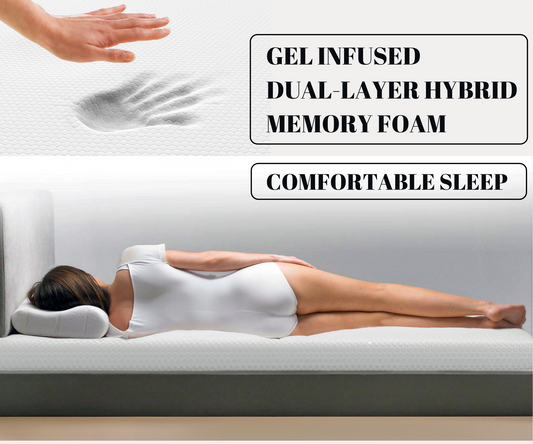
A mattress topper can play a significant role in alleviating anxiety-related sleep problems by enhancing comfort and support during the night. For instance, memory foam toppers are known for their ability to contour to the body's shape, providing personalised support that can help reduce discomfort associated with pressure points. This level of comfort can be particularly beneficial for individuals who experience physical tension due to anxiety.
Furthermore, certain mattress toppers are designed with cooling properties that help regulate body temperature throughout the night. Overheating during sleep can exacerbate feelings of restlessness and discomfort; therefore, a cooling mattress topper may help create a more pleasant sleeping environment conducive to relaxation. By addressing both physical comfort and temperature regulation, a mattress topper can significantly improve overall sleep quality for those struggling with anxiety.
Choosing the Best Mattress Topper for Anxiety Relief
When selecting a mattress topper for anxiety relief, several factors should be considered to ensure optimal comfort and support. First and foremost is the material; memory foam is often recommended for its ability to conform to the body's shape while providing adequate support. However, some individuals may prefer latex toppers for their responsiveness and breathability.
Each material has its unique benefits; thus, personal preference plays a crucial role in determining which option will be most effective. Additionally, thickness is another important consideration when choosing a mattress topper. A thicker topper may provide more cushioning but could also alter the feel of an existing mattress significantly.
Conversely, a thinner topper may offer just enough support without overwhelming the current mattress's characteristics. It is essential for individuals to assess their specific needs regarding firmness levels and overall comfort preferences when making this decision.
Tips for Creating a Relaxing Sleep Environment to Combat Anxiety
Creating a relaxing sleep environment is essential for combating anxiety-related sleep issues effectively. One key aspect is minimising exposure to blue light from screens before bedtime; this includes phones, tablets, and televisions. Blue light can interfere with melatonin production—the hormone responsible for regulating sleep—making it harder for individuals to wind down at night.
Establishing a technology-free zone in the hour leading up to bedtime can help signal to the body that it is time to relax. In addition to limiting screen time, incorporating calming elements into the bedroom environment can further enhance relaxation. Soft lighting, soothing scents from essential oils or candles, and comfortable bedding all contribute to creating a tranquil atmosphere conducive to restful sleep.
Furthermore, maintaining a cool room temperature—ideally between 16-20 degrees Celsius—can promote better sleep quality by preventing overheating during the night.
Other Strategies for Managing Anxiety and Improving Sleep
In addition to creating a relaxing environment and investing in a suitable mattress topper, there are several other strategies that individuals can employ to manage anxiety and improve their sleep quality. Practising mindfulness techniques such as meditation or deep breathing exercises before bedtime can help calm racing thoughts and promote relaxation. Engaging in regular physical activity during the day has also been shown to reduce symptoms of anxiety while improving overall sleep quality.
Establishing a consistent bedtime routine is another effective strategy for managing anxiety-related sleep issues. Going to bed and waking up at the same time each day helps regulate the body's internal clock, making it easier to fall asleep at night and wake up feeling refreshed in the morning. Incorporating calming activities into this routine—such as reading or gentle stretching—can further signal to the body that it is time to wind down.
Seeking Professional Help for Severe Anxiety-Related Sleep Issues
For individuals experiencing severe anxiety-related sleep issues that persist despite implementing self-help strategies, seeking professional help may be necessary. Mental health professionals such as psychologists or psychiatrists can provide valuable support through therapy or medication management tailored specifically for anxiety disorders. Cognitive-behavioural therapy (CBT) has been particularly effective in treating both anxiety and insomnia by addressing negative thought patterns and behaviours associated with these conditions.
In some cases, medication may be prescribed as part of a comprehensive treatment plan for managing severe anxiety symptoms that interfere with sleep quality. While medication can provide relief from acute symptoms, it is essential for individuals to work closely with their healthcare provider to ensure that any prescribed treatment aligns with their overall health goals and lifestyle preferences. By seeking professional help when needed, individuals can take proactive steps toward improving their mental health and achieving better sleep quality over time.
FAQs
What is anxiety?
Anxiety is a normal and often healthy emotion. However, when a person regularly feels disproportionate levels of anxiety, it might become a medical disorder.
How does anxiety affect sleep?
Anxiety can significantly impact sleep by causing difficulty falling asleep, staying asleep, or experiencing restful sleep. It can also lead to frequent awakenings during the night and overall poor sleep quality.
What are the common symptoms of anxiety affecting sleep?
Common symptoms of anxiety affecting sleep include racing thoughts, muscle tension, restlessness, and an inability to relax. These symptoms can make it difficult to fall asleep and stay asleep.
How can the right topper help with anxiety affecting sleep?
The right topper can help with anxiety affecting sleep by providing comfort and support to the body, which can help reduce physical tension and promote relaxation. This can create a more conducive environment for falling and staying asleep.
What are some tips for managing anxiety affecting sleep?
Some tips for managing anxiety affecting sleep include practicing relaxation techniques, establishing a bedtime routine, creating a comfortable sleep environment, and seeking professional help if needed. Additionally, using the right topper can also contribute to better sleep quality.