


Stress and Sleep: Why a Memory Foam Topper Can Help You Unwind
Stress is an omnipresent aspect of modern life, affecting individuals across various demographics and lifestyles. The physiological and psychological responses to stress can significantly disrupt sleep patterns, leading to a cascade of negative health outcomes. When a person experiences stress, the body releases hormones such as cortisol and adrenaline, which prepare the body for a 'fight or flight' response.
This heightened state of alertness can make it exceedingly difficult to relax, thereby hindering the ability to fall asleep or maintain a deep sleep cycle. Chronic stress can lead to insomnia, where individuals find themselves tossing and turning throughout the night, unable to achieve the restorative sleep necessary for optimal functioning. Moreover, the relationship between stress and sleep is bidirectional; not only can stress impede sleep quality, but poor sleep can exacerbate feelings of anxiety and tension.
A lack of restorative sleep can lead to cognitive impairments, mood disturbances, and a weakened immune system. Research has shown that individuals who report high levels of stress often experience fragmented sleep, characterised by frequent awakenings and reduced time spent in deep sleep stages. This vicious cycle can create a detrimental feedback loop, where stress leads to poor sleep, which in turn increases stress levels.
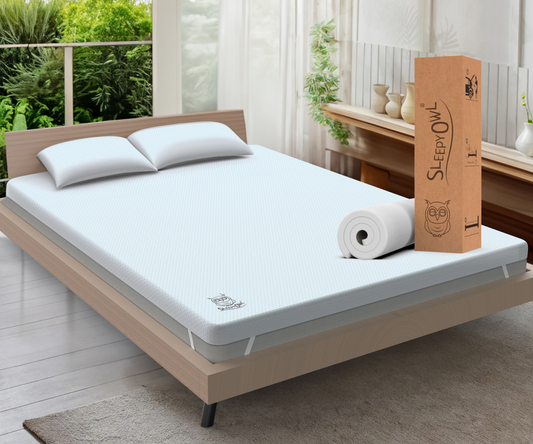
Understanding this intricate relationship is crucial for developing effective strategies to mitigate stress and improve sleep quality. I recently purchased a new Memory Foam Mattress Topper for my bed.
The Connection Between Stress, Sleep, and Memory Foam Toppers
Memory foam toppers have gained popularity as a solution for enhancing sleep quality, particularly for those struggling with stress-related sleep disturbances. The unique properties of memory foam allow it to conform to the body's contours, providing personalised support that can alleviate discomfort and promote relaxation. When an individual is under stress, physical tension often manifests in the form of muscle tightness or discomfort, which can further hinder the ability to fall asleep.
A memory foam topper can help address these issues by distributing body weight evenly and reducing pressure points, thereby creating a more comfortable sleeping surface. Furthermore, the use of memory foam toppers can create a more inviting sleep environment that encourages relaxation. The soft, adaptive nature of memory foam can provide a sense of cocooning comfort that helps to ease the mind and body into a restful state.
This is particularly beneficial for individuals who may find it challenging to unwind after a stressful day. By enhancing comfort and support, memory foam toppers can play a pivotal role in breaking the cycle of stress and poor sleep, allowing individuals to achieve a more restorative night's rest.
The Science Behind Memory Foam and Its Ability to Promote Relaxation
Memory foam was originally developed by NASA in the 1960s to improve seat cushioning for astronauts during take-off. Its unique viscoelastic properties allow it to respond to heat and pressure, enabling it to mould to the shape of the body while providing support. This characteristic is particularly beneficial for promoting relaxation as it helps to alleviate pressure on sensitive areas such as the shoulders, hips, and lower back.
When these pressure points are relieved, the body can more easily transition into a state of relaxation conducive to sleep. Additionally, memory foam has been shown to absorb motion transfer, making it an excellent choice for couples or individuals who share a bed. The ability of memory foam to isolate movement means that disturbances caused by a partner's movements during the night are minimised.
This feature is particularly advantageous for those who may already be experiencing stress-related sleep issues, as it allows for an uninterrupted sleep experience. The combination of pressure relief and motion isolation creates an environment that fosters relaxation and encourages deeper sleep cycles.
How Memory Foam Toppers Can Alleviate Pressure Points and Reduce Tossing and Turning
One of the primary benefits of memory foam toppers is their ability to alleviate pressure points that can lead to discomfort during sleep. Traditional mattresses may not provide adequate support for all body types, leading to uneven weight distribution and increased pressure on certain areas. This discomfort often results in tossing and turning throughout the night as individuals seek a more comfortable position.
Memory foam toppers address this issue by contouring to the body's shape, providing targeted support where it is needed most. For instance, individuals who sleep on their sides may experience pressure on their shoulders and hips when using a firmer mattress. A memory foam topper can help cushion these areas, allowing for a more comfortable sleeping position that reduces the urge to shift throughout the night.
Similarly, back sleepers may benefit from the way memory foam supports the natural curvature of the spine, promoting proper alignment and reducing discomfort. By minimising pressure points and enhancing overall comfort, memory foam toppers can significantly reduce tossing and turning, leading to a more restful night's sleep.
Choosing the Right Memory Foam Topper for Your Sleep Needs
Selecting the appropriate memory foam topper involves considering several factors that align with individual sleep preferences and needs. One critical aspect is the thickness of the topper; typically ranging from 2 to 4 inches, thicker toppers provide more cushioning but may also alter the feel of an existing mattress significantly. For those with firmer mattresses seeking additional comfort, a thicker topper may be ideal.
Conversely, individuals who prefer a slightly firmer sleeping surface might opt for a thinner model. Another important consideration is the density of the memory foam itself. Higher-density foams tend to offer better support and durability but may retain more heat than lower-density options.
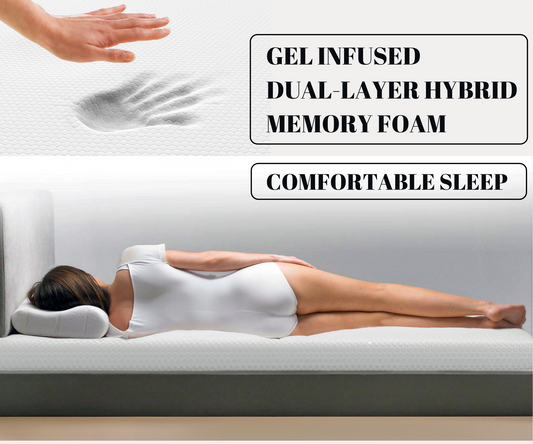
For those who tend to sleep hot or live in warmer climates, selecting a gel-infused or ventilated memory foam topper can help regulate temperature while still providing the benefits of pressure relief and support. Additionally, personal preferences regarding firmness levels should be taken into account; some individuals may prefer a softer feel that cradles their body, while others might favour a firmer surface that offers more support.
Tips for Creating a Relaxing Sleep Environment with a Memory Foam Topper
Creating an optimal sleep environment is essential for maximising the benefits of a memory foam topper. One effective strategy is to ensure that the bedroom is dark, quiet, and cool—conditions that are conducive to restful sleep. Blackout curtains can block out external light sources, while white noise machines or earplugs can help mask disruptive sounds.
Maintaining a cooler room temperature can also enhance comfort when using memory foam toppers, as they tend to retain heat. In addition to environmental factors, incorporating calming elements into the bedroom can further promote relaxation. Soft bedding materials such as cotton or bamboo sheets can enhance comfort while also allowing for breathability.
Aromatherapy with essential oils like lavender or chamomile can create a soothing atmosphere that encourages relaxation before bedtime. Establishing a consistent bedtime routine that includes winding down activities such as reading or gentle stretching can signal to the body that it is time to relax and prepare for sleep.
Incorporating Relaxation Techniques with Memory Foam Toppers for Better Sleep
In addition to utilising a memory foam topper for enhanced comfort, integrating relaxation techniques into one's nightly routine can significantly improve sleep quality. Mindfulness practices such as meditation or deep breathing exercises can help calm an overactive mind and reduce stress levels before bed. Engaging in these techniques while lying on a comfortable memory foam topper can create an ideal setting for relaxation.
Progressive muscle relaxation is another effective method that involves systematically tensing and relaxing different muscle groups throughout the body. This practice not only helps release physical tension but also promotes mental relaxation as individuals focus on their breath and bodily sensations. By combining these relaxation techniques with the supportive qualities of a memory foam topper, individuals can create a holistic approach to improving their sleep experience.
The Role of Memory Foam Toppers in Improving Sleep Quality and Duration
The integration of memory foam toppers into one's sleeping arrangement has been shown to have a positive impact on both sleep quality and duration. By providing enhanced support and comfort, these toppers facilitate deeper sleep cycles that are essential for physical recovery and cognitive function. Studies have indicated that individuals who use memory foam toppers often report fewer instances of waking during the night and an overall increase in total sleep time.
Moreover, improved sleep quality has been linked to various health benefits beyond just feeling well-rested. Quality sleep plays a crucial role in regulating mood, enhancing cognitive performance, and supporting immune function. As individuals experience better rest due to the comfort provided by memory foam toppers, they may find themselves better equipped to handle daily stressors and challenges with greater resilience.
Addressing Common Sleep Issues with the Help of Memory Foam Toppers
Memory foam toppers can be particularly effective in addressing common sleep issues such as back pain, insomnia, and restless leg syndrome. For individuals suffering from chronic back pain, a memory foam topper can provide targeted support that promotes spinal alignment while alleviating pressure on sensitive areas. This targeted relief can lead to reduced discomfort during the night and improved overall sleep quality.
Insomnia sufferers may also benefit from the enhanced comfort provided by memory foam toppers. By creating a more inviting sleeping surface that reduces tossing and turning, these toppers can help individuals fall asleep faster and stay asleep longer. Additionally, those experiencing restless leg syndrome may find relief through the pressure-relieving properties of memory foam, which can help ease discomfort associated with this condition.
Exploring the Benefits of Memory Foam Toppers for Stress Relief and Overall Well-being
The benefits of memory foam toppers extend beyond mere comfort; they also play a significant role in promoting overall well-being by alleviating stress-related symptoms. The combination of improved sleep quality and reduced physical discomfort contributes to lower levels of cortisol—the hormone associated with stress—thereby fostering a sense of calmness and relaxation throughout the day. Furthermore, better sleep has been linked to enhanced emotional regulation and cognitive function.
Individuals who experience restorative sleep are often better equipped to manage stressors effectively and maintain positive mental health. By investing in a quality memory foam topper, individuals not only improve their immediate sleeping conditions but also contribute positively to their long-term health outcomes.
Making the Most of Your Memory Foam Topper for a Restful Night's Sleep
To maximise the benefits of a memory foam topper for restful sleep, proper care and maintenance are essential. Regularly rotating or flipping the topper (if applicable) can help prevent uneven wear and prolong its lifespan. Additionally, using a protective cover can shield against dust mites and allergens while maintaining hygiene.
Creating an optimal sleeping environment also involves being mindful of one's lifestyle choices throughout the day. Engaging in regular physical activity can promote better sleep quality; however, it is advisable to avoid vigorous exercise close to bedtime as it may have an energising effect. Limiting caffeine intake in the hours leading up to bedtime is another crucial factor in ensuring restful sleep.
By combining these practices with the comfort provided by a memory foam topper, individuals can cultivate an environment that supports restorative rest—ultimately leading to improved health outcomes and enhanced quality of life.
FAQs
What is stress and how does it affect sleep?
Stress is the body's natural response to a perceived threat or challenge. When we are stressed, our bodies release hormones like cortisol, which can make it difficult to relax and fall asleep. Chronic stress can lead to sleep disturbances and insomnia.
How can a memory foam topper help with stress and sleep?
A memory foam topper can help with stress and sleep by providing a supportive and comfortable surface for rest. The contouring properties of memory foam can help alleviate pressure points and promote relaxation, making it easier to unwind and fall asleep.
What are the benefits of using a memory foam topper for stress and sleep?
Using a memory foam topper can provide several benefits for stress and sleep, including improved comfort, reduced pressure points, and better spinal alignment. This can lead to a more restful and rejuvenating sleep, helping to reduce the impact of stress on the body.
How do I choose the right memory foam topper for stress and sleep?
When choosing a memory foam topper for stress and sleep, consider factors such as thickness, density, and firmness. A thicker topper with higher density foam can provide more support and durability, while the firmness level should be based on personal preference and any specific sleep needs.
Are there any other strategies to reduce stress and improve sleep?
In addition to using a memory foam topper, other strategies to reduce stress and improve sleep include practicing relaxation techniques, maintaining a consistent sleep schedule, and creating a comfortable sleep environment. It's also important to address any underlying issues contributing to stress and sleep disturbances.