


Restless Leg Syndrome? Why a Good Mattress Topper Matters
Restless Leg Syndrome (RLS), also known as Willis-Ekbom disease, is a neurological disorder characterised by an uncontrollable urge to move one’s legs, typically in response to uncomfortable sensations. These sensations are often described as creeping, crawling, tingling, or burning, and they usually occur when a person is at rest, particularly during the evening or night. The condition can significantly disrupt daily life, leading to difficulties in maintaining focus and productivity during the day due to the fatigue caused by poor sleep quality.
RLS affects individuals of all ages, but it is more prevalent among older adults and pregnant women. The exact cause of RLS remains elusive, although it is believed to involve a combination of genetic and environmental factors. Research suggests that abnormalities in the brain's dopamine pathways may play a crucial role in the development of RLS.
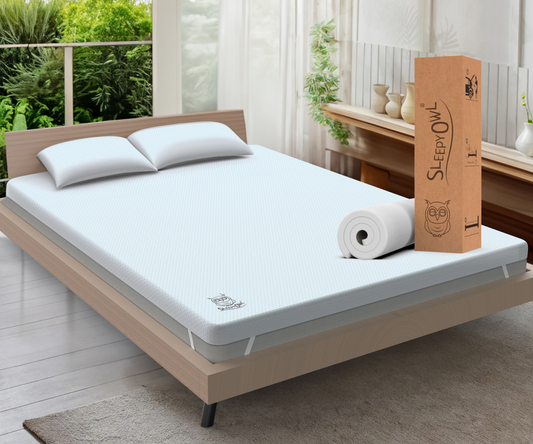
Additionally, certain medical conditions such as iron deficiency, kidney failure, and peripheral neuropathy have been linked to the syndrome. Understanding RLS is essential for both patients and healthcare providers, as it can lead to more effective management strategies and improved quality of life for those affected. I recently purchased a new Memory Foam Mattress Topper for my bed.
Symptoms and Causes of Restless Leg Syndrome
The symptoms of Restless Leg Syndrome can vary in intensity and frequency, but they typically include an overwhelming urge to move the legs, particularly when at rest. This urge is often accompanied by uncomfortable sensations that can be alleviated temporarily by movement. Many individuals report that symptoms worsen in the evening or at night, making it difficult to fall asleep or stay asleep.
In some cases, RLS can also affect the arms, although this is less common. The severity of symptoms can fluctuate over time, with some individuals experiencing periods of remission. Several factors may contribute to the onset of RLS.
Genetic predisposition plays a significant role; studies have shown that RLS often runs in families. Environmental factors such as lifestyle choices, including caffeine and alcohol consumption, can exacerbate symptoms. Additionally, certain medical conditions like diabetes, rheumatoid arthritis, and pregnancy have been associated with RLS.
Iron deficiency is particularly noteworthy, as low levels of iron in the brain can disrupt dopamine production, which is crucial for regulating movement. Understanding these symptoms and causes is vital for developing effective treatment plans tailored to individual needs.
The Impact of Restless Leg Syndrome on Sleep
The relationship between Restless Leg Syndrome and sleep disturbances is profound and multifaceted. Individuals with RLS often find themselves caught in a vicious cycle: the discomfort and urge to move their legs make it challenging to fall asleep or maintain restful sleep, which in turn exacerbates daytime fatigue and irritability. This lack of restorative sleep can lead to a range of issues, including cognitive impairment, mood disorders such as anxiety and depression, and decreased overall quality of life.
Research indicates that people with RLS are more likely to experience other sleep disorders, such as periodic limb movement disorder (PLMD), which involves involuntary leg movements during sleep. These movements can further disrupt sleep patterns and lead to fragmented rest. The cumulative effect of these disturbances can result in significant daytime drowsiness and reduced productivity.
Addressing the sleep-related aspects of RLS is crucial for improving overall well-being and functioning.
Importance of a Good Mattress Topper for Restless Leg Syndrome
A good mattress topper can play a pivotal role in managing the symptoms of Restless Leg Syndrome by enhancing comfort and support during sleep. The right mattress topper can help alleviate pressure points that may contribute to discomfort in the legs and body, allowing individuals with RLS to find a more restful sleeping position. A supportive mattress topper can also help maintain proper spinal alignment, which is essential for overall comfort during sleep.
Moreover, a quality mattress topper can provide additional cushioning that absorbs movement, reducing disturbances caused by tossing and turning throughout the night. This is particularly beneficial for individuals with RLS who may experience frequent leg movements due to their condition. By creating a more comfortable sleep environment, a mattress topper can significantly improve sleep quality for those suffering from RLS.
Choosing the Right Mattress Topper for Restless Leg Syndrome
When selecting a mattress topper for Restless Leg Syndrome, several factors should be considered to ensure optimal comfort and support. First and foremost, the material of the topper plays a crucial role in its effectiveness. Memory foam toppers are often recommended due to their ability to contour to the body’s shape while providing adequate support.
This contouring effect can help alleviate pressure points that may trigger discomfort in individuals with RLS. In addition to material, thickness is another important consideration. A thicker mattress topper may provide more cushioning and support; however, it is essential to strike a balance between thickness and firmness.
A topper that is too soft may not provide adequate support for the spine, while one that is too firm may exacerbate discomfort. It is advisable to test different options if possible or consult reviews from other users with similar needs to find the best fit for individual preferences.
Benefits of a Quality Mattress Topper for Restless Leg Syndrome
Investing in a quality mattress topper offers numerous benefits for individuals suffering from Restless Leg Syndrome. One of the primary advantages is enhanced comfort during sleep. A well-chosen mattress topper can significantly reduce pressure on sensitive areas such as the hips and shoulders, allowing for a more restful night’s sleep.
This comfort can be particularly beneficial for those who experience discomfort due to RLS symptoms. Additionally, a quality mattress topper can improve overall sleep quality by minimising motion transfer between partners. For individuals with RLS who may experience frequent leg movements during the night, a topper that absorbs movement can help prevent disturbances that could wake up a sleeping partner.
This aspect not only enhances individual comfort but also contributes to a more harmonious sleeping environment for couples.
How a Mattress Topper Can Alleviate Restless Leg Syndrome Symptoms
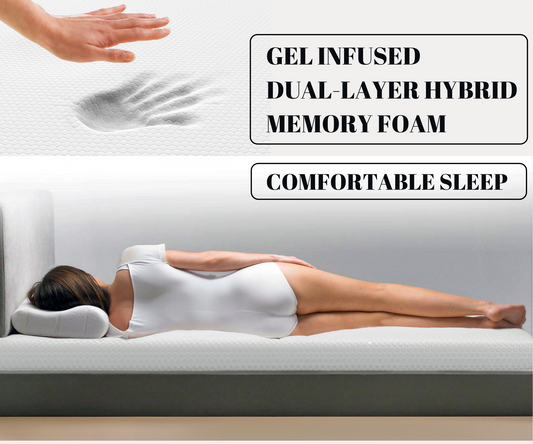
A mattress topper can alleviate symptoms of Restless Leg Syndrome by providing targeted support and comfort that addresses specific needs associated with the condition. For instance, memory foam toppers are designed to conform to the body’s contours, distributing weight evenly across the surface. This feature can help reduce discomfort in the legs and lower back that may arise from prolonged periods of inactivity or poor sleeping posture.
Furthermore, certain mattress toppers are infused with materials such as gel or cooling technologies that help regulate temperature during sleep. Individuals with RLS often report heightened discomfort due to overheating at night; therefore, a cooling mattress topper can create a more pleasant sleeping environment. By addressing both comfort and temperature regulation, a mattress topper can significantly reduce the severity of RLS symptoms during sleep.
Tips for Improving Sleep with Restless Leg Syndrome
Improving sleep quality for individuals with Restless Leg Syndrome involves a multifaceted approach that goes beyond simply investing in a good mattress topper. Establishing a consistent sleep routine is essential; going to bed and waking up at the same time each day helps regulate the body’s internal clock. Additionally, creating a calming pre-sleep environment by dimming lights and engaging in relaxing activities such as reading or gentle stretching can signal the body that it is time to wind down.
Incorporating relaxation techniques such as deep breathing exercises or mindfulness meditation before bed can also be beneficial in managing RLS symptoms. These practices help reduce anxiety and promote relaxation, making it easier to fall asleep despite any discomfort associated with RLS. Furthermore, avoiding stimulants like caffeine or nicotine in the hours leading up to bedtime can help minimise symptom flare-ups during the night.
Other Lifestyle Changes to Help Manage Restless Leg Syndrome
In addition to improving sleep hygiene practices, several lifestyle changes can help manage Restless Leg Syndrome effectively. Regular physical activity has been shown to alleviate symptoms for many individuals; engaging in moderate exercise such as walking or swimming can enhance overall circulation and reduce feelings of restlessness in the legs. However, it is important to avoid vigorous exercise close to bedtime, as this may have an opposite effect on sleep quality.
Dietary adjustments may also play a role in managing RLS symptoms. Ensuring adequate intake of iron-rich foods such as leafy greens, legumes, and lean meats can help address potential deficiencies linked to RLS. Additionally, staying hydrated throughout the day is crucial; dehydration can exacerbate muscle cramps and discomfort associated with RLS.
By making these lifestyle changes alongside investing in supportive sleep solutions like mattress toppers, individuals can take proactive steps towards managing their condition.
The Role of Comfort and Support in Managing Restless Leg Syndrome
Comfort and support are paramount when it comes to managing Restless Leg Syndrome effectively. A supportive sleeping surface not only enhances comfort but also promotes proper alignment of the spine and limbs during rest. This alignment is crucial for preventing additional strain on muscles and joints that could exacerbate RLS symptoms.
Moreover, comfort extends beyond just physical support; it encompasses emotional well-being as well. A restful night’s sleep contributes significantly to mood regulation and cognitive function during waking hours. By prioritising comfort through thoughtful choices in bedding—such as selecting an appropriate mattress topper—individuals with RLS can create an environment conducive to better sleep quality and overall health.
Investing in a Good Mattress Topper for Restless Leg Syndrome
Investing in a good mattress topper tailored specifically for managing Restless Leg Syndrome can yield significant benefits for those affected by this condition. By enhancing comfort and support during sleep, a quality mattress topper addresses many of the challenges faced by individuals with RLS. Coupled with lifestyle changes aimed at improving overall well-being—such as regular exercise, dietary adjustments, and effective sleep hygiene practices—individuals can take meaningful steps towards alleviating their symptoms.
Ultimately, understanding the complexities of Restless Leg Syndrome allows for more informed decisions regarding treatment options and lifestyle modifications. With proper management strategies in place—including the selection of an appropriate mattress topper—individuals suffering from RLS can look forward to improved sleep quality and enhanced daily functioning.
FAQs
What is Restless Leg Syndrome (RLS)?
Restless Leg Syndrome (RLS) is a neurological disorder characterized by an uncontrollable urge to move the legs, often accompanied by uncomfortable sensations such as tingling, itching, or aching.
What are the common symptoms of Restless Leg Syndrome?
Common symptoms of Restless Leg Syndrome include an urge to move the legs, especially at night or during periods of inactivity, as well as uncomfortable sensations in the legs.
How does a good mattress topper help with Restless Leg Syndrome?
A good mattress topper can help with Restless Leg Syndrome by providing proper support and comfort for the legs and body, reducing pressure points and promoting better circulation and relaxation during sleep.
What are the key features to look for in a mattress topper for Restless Leg Syndrome?
Key features to look for in a mattress topper for Restless Leg Syndrome include adequate support, pressure relief, and temperature regulation to ensure a comfortable and restful sleep experience.
Can a mattress topper alone cure Restless Leg Syndrome?
While a good mattress topper can help alleviate some of the discomfort associated with Restless Leg Syndrome, it is not a cure for the condition. It is important to consult a healthcare professional for proper diagnosis and treatment.